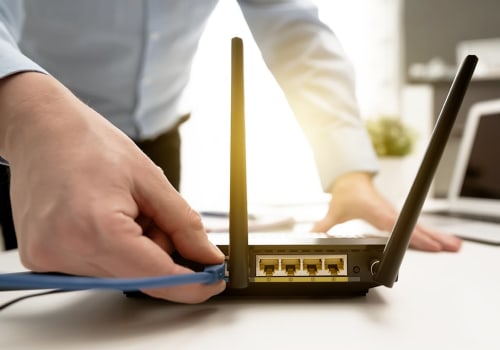
Modern work is no longer confined to a single desk or office. Teams now collaborate from airports, client sites, home offices, and shared workspaces, relying on mobile devices and secure networks to stay connected. Networking and mobile computing have fundamentally changed how professionals communicate, share information, and make decisions in real time. This shift toward mobile-first work environments allows organizations to operate with greater flexibility while maintaining productivity, even when employees are constantly on the move.
Networking as the Backbone of Real-Time Collaboration
Reliable networking is the foundation that makes mobile collaboration possible. High-speed wireless networks, cloud connectivity, and secure remote access ensure that employees can connect to company systems wherever they are. Strong networking infrastructure allows files, messages, and updates to move instantly between team members, eliminating delays caused by location barriers. Whether accessing shared dashboards or participating in virtual meetings, seamless connectivity ensures that collaboration remains fluid and uninterrupted, regardless of physical distance.
Mobile Computing Enables Instant Access to Information
Mobile computing devices such as laptops, tablets, and smartphones empower employees with instant access to critical information. Instead of waiting to return to the office, professionals can retrieve documents, review data, and respond to requests in real time. This immediate access supports faster decision-making and keeps projects moving forward without unnecessary downtime. When paired with digital document management services, mobile computing becomes even more powerful, allowing users to securely access, edit, and share documents while maintaining version control and data integrity.
Enhancing Team Communication Across Locations
Effective collaboration depends heavily on clear and timely communication. Networking and mobile computing support a wide range of communication tools, including messaging platforms, video conferencing, and collaborative workspaces. These tools enable teams to stay aligned, share ideas, and resolve issues quickly, even when members are spread across different locations or time zones. Mobile-friendly collaboration platforms ensure that no one is excluded from important conversations simply because they are away from their desk.
Improving Workflow Efficiency and Responsiveness
One of the greatest advantages of mobile collaboration is improved workflow efficiency. Tasks that once required in-person meetings or office-based systems can now be completed remotely. Approvals, document reviews, and status updates happen faster when team members can act immediately from their devices. This responsiveness reduces bottlenecks and helps organizations adapt quickly to changing priorities. Mobile access also supports field teams, sales professionals, and executives who need up-to-date information while traveling or meeting clients.
Security and Control in a Mobile World
As mobility increases, so does the importance of secure networking. Modern mobile collaboration relies on encrypted connections, secure authentication, and controlled access to protect sensitive information. Networking solutions ensure that data transmitted across devices remains protected, even on public or remote networks. With proper security measures in place, organizations can confidently support mobile collaboration without compromising data privacy or compliance requirements.
Supporting Agile and Connected Teams
Networking and mobile computing are essential tools for building agile, connected teams. By removing location-based limitations, organizations encourage collaboration that is faster, more inclusive, and more responsive. Employees gain the freedom to work effectively wherever they are, while businesses benefit from improved productivity and continuity. As work continues to evolve beyond traditional office boundaries, mobile collaboration powered by strong networking will remain a key driver of efficiency and innovation.